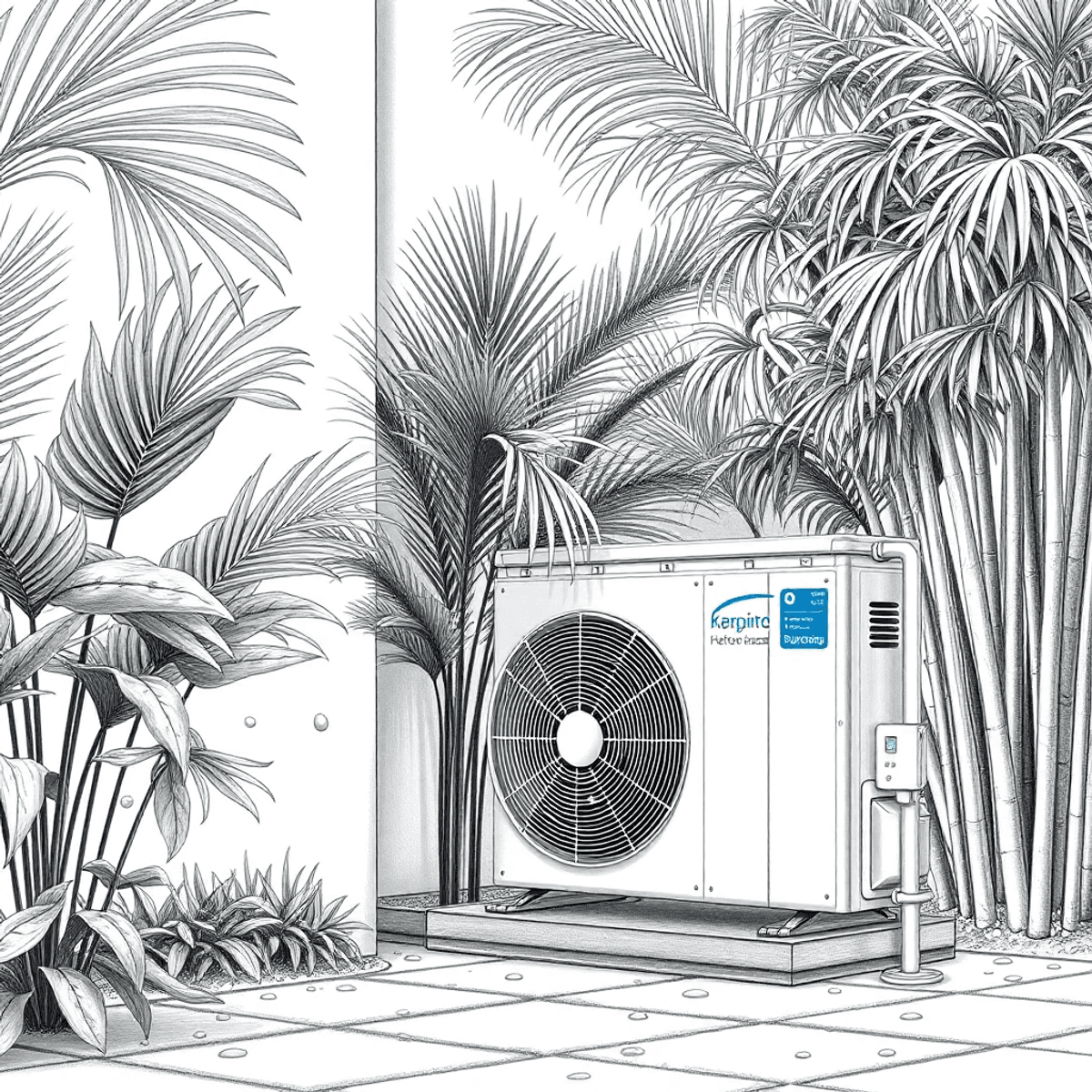
Tropical Hotel Pest Control
Hotels located in tropical regions often face a common yet frustrating issue: hotel room bugs. These unwanted guests frequently enter rooms from nearby tropical trees, especially when an external AC next to the tropical tree is involved. The combination of lush foliage and outdoor air conditioning units creates a perfect environment for insects to thrive and find their way indoors.
Outdoor AC units produce moisture through condensation, which attracts various insects. When these units are placed close to tropical trees, the problem intensifies as fallen leaves, fruit, and organic debris accumulate around the equipment. This creates ideal breeding grounds for pests such as ants, mosquitoes, and cockroaches. The presence of these insects near the outdoor AC unit increases the risk of them infiltrating hotel rooms through small gaps or poorly sealed entry points.
Key takeaway: This article explores why insect problems arise from outdoor AC setups next to tropical trees and offers practical solutions to reduce insect intrusion into hotel rooms. Understanding this connection can help hoteliers improve guest comfort by minimizing bug-related disturbances caused by these installations.
In addition to pest control measures, enhancing security in hotel rooms is also crucial. Installing CCTV security cameras can help monitor any unusual activities or potential pest issues. Furthermore, with the advent of technology, hotels can consider adopting AI CCTV cameras that provide advanced features for better surveillance.
Moreover, understanding how to effectively use CCTV systems can be beneficial for hotel management. By following some secrets to effective CCTV home practices, they can ensure comprehensive monitoring of their premises.
Finally, it is important to note that while daytime surveillance is vital, night CCTV cameras are equally essential for maintaining security during nighttime when most pests tend to be more active.
1. The insect pathway ladder
Use this visual checklist to trace how moisture, foliage, organic debris, and small gaps create a climbing route from tropical trees to outdoor AC units and eventually into hotel rooms.
Understanding the Insect Problem: Bugs from Tropical Trees Near Outdoor AC Units
Tropical trees such as palms and bamboo are natural magnets for a variety of insects. These trees create ideal habitats for tropical tree insects including:
- Ants that seek shelter and food sources within the dense foliage.
- Mosquitoes, attracted by standing water often found in tree axils or damp areas beneath leaves.
- Cockroaches that thrive in organic debris and shaded environments.
The presence of these bugs around tropical trees becomes particularly problematic when an outdoor AC unit is installed nearby. The exterior AC unit produces condensation—water droplets generated as the system cools air—which accumulates around the base of the unit. This moisture creates a humid, damp environment, perfect for insect breeding.
Moisture from outdoor AC condensation acts like an open invitation to insects because:
- It provides a steady source of water essential for many pests’ survival and reproduction.
- It maintains a microhabitat with higher humidity than surrounding areas, making it more attractive to bugs that prefer moist conditions.
Another factor contributing to insect attraction is the accumulation of organic matter near the ac unit for outside use. Tropical trees shed leaves, fruit, flowers, and other debris regularly. When this material gathers around the outdoor AC unit, it creates:
- Food sources for scavenging insects like ants and cockroaches.
- Shelter from predators and environmental stresses.
- Breeding grounds where insects can reproduce undisturbed.
Fallen palm tree fronds or bamboo leaves break down slowly and provide a constant supply of organic material. This buildup near an outside ac unit not only sustains existing insect populations but encourages new infestations.
Considering alternatives like an ac without outdoor unit can reduce these problems by eliminating the damp environment created by traditional condenser units. However, many hotels still rely on standard split systems with external units positioned close to tropical foliage, which means understanding how these factors interact is critical for effective pest management.
The combination of tropical tree bugs, moisture from condensation, and organic debris forms a persistent challenge for hotels aiming to keep their rooms free from unwanted insect guests. Addressing each element in this equation helps reduce the overall insect attraction near outdoor AC setups.
In addition to these pest control measures, it is also beneficial to consider implementing advanced security systems such as CCTV cameras around outdoor units. These systems not only help in monitoring pest activity but also aid in preventing vandalism or theft related to the AC units. The use of AI object detection in CCTV can further enhance security by accurately identifying and tracking pests or intruders in real-time.
Moreover, investing in robust bullet cameras could provide high-quality images even in challenging weather conditions. For nighttime surveillance, AI night guard technology can be employed to ensure round-the-clock monitoring. Lastly, understanding how to interpret CCTV camera images is crucial for effective analysis and response to any security incidents or pest activities captured on video footage.
The Role of Outdoor AC Units in Facilitating Insect Intrusion into Hotel Rooms
Outdoor AC units often become hotspots for insects due to the environment they create. The combination of moisture, shelter, and organic debris around these units encourages bugs to gather in large numbers.
How Outdoor AC Units Attract Insects
1. Dampness Attracts Insects
Condensation from the outside AC unit produces water that seeps into the surrounding area. This dampness is a magnet for various insects like ants and mosquitoes. Moist environments support breeding and provide hydration sources essential for survival.
2. Shelter Provided by the Unit
The physical structure of an exterior AC unit offers numerous hiding spots beneath and behind it. Insects such as cockroaches and spiders find these crevices ideal for nesting or resting during daylight hours.
Pathways Into Hotel Rooms
Bugs congregating near the outdoor unit seek entry points into nearby rooms. Common pathways include:
- Gaps and cracks around window frames adjacent to the AC installation
- Spaces under or around doors positioned near the external unit
- Openings around pipes or electrical conduits linked to the air conditioner system
Common Indoor Invaders from Outside AC Units
A variety of insect species can infiltrate indoor spaces through these vulnerabilities:
- Ants: Often attracted by moisture and food crumbs near windowsills or doorways.
- Cockroaches: Thrive in warm, humid conditions found near AC units; easily slip inside through small openings.
- Mosquitoes: Breed in stagnant water from condensation drains; enter rooms especially if window screens are damaged or absent.
- Spiders: Follow prey like flies and smaller insects indoors, sometimes nesting near vents connected to external units.
Impact on Hotels
The presence of these bugs directly impacts guest comfort and cleanliness standards in hotels located near tropical trees. Managing outside AC unit bugs requires addressing not only the habitat created around the unit but also securing all possible entry points into hotel rooms to prevent insect infiltration effectively.
Advanced Security Measures Against Insect Intrusion
To enhance security measures against such intrusions, employing advanced CCTV intrusion detection and prevention systems could be beneficial. These systems can monitor areas around outdoor AC units, helping identify potential pest problems early on.
Additionally, integrating thermal imaging cameras into your security setup can assist in detecting hidden pests by identifying unusual heat signatures around the AC units.
Furthermore, implementing a comprehensive home security strategy can ensure that all potential entry points are secured effectively, thus minimizing the risk of insect intrusion into hotel rooms.
2. The maintenance access ladder
Regular cleaning, drainage checks, vegetation trimming, and unit inspection require safe access. This animated extension ladder represents the recurring maintenance steps hotels should build into their outdoor AC pest-control routine.
Choosing the Right Air Conditioning Unit: Minimizing Bug Problems with Design Considerations
Selecting the appropriate air conditioning system can significantly influence how much insects are attracted to your hotel property, especially when dealing with tropical environments where bugs thrive around moisture and vegetation.
Traditional Split System AC Units
- Feature separate indoor and outdoor units, with the condenser typically placed outside.
- The outside air conditioning unit often sits near tropical trees to facilitate ventilation.
- This setup produces condensation and creates damp areas, which become ideal breeding grounds for ants, mosquitoes, cockroaches, and other pests.
- Fallen leaves and organic debris tend to gather around these external units, adding to insect habitats.
- External units need regular maintenance to prevent pest infestations but inherently increase risk due to their placement.
Air Conditioning Units Without External Units
- Systems such as mini splits without outdoor units provide an alternative by integrating components inside the building envelope.
- The aircon without external unit design eliminates the need for a separate condenser outdoors.
- Reduces moisture accumulation and shelter spots near the building exterior where insects congregate.
- Simplifies maintenance since there is no external unit that traps leaves or debris.
- Hotels located near dense tropical foliage benefit from this design by minimizing bug attraction points.
Benefits of Choosing Air Conditioning Without External Units
- Limits direct contact between moist, shaded outdoor areas and AC equipment.
- Decreases chances of pests nesting in or around the unit, cutting down on bug intrusion risks.
- Helps maintain cleaner surroundings around the hotel facade without constant leaf or fruit removal near an external condenser.
- Potentially lowers long-term pest control costs associated with managing infestations linked to traditional outdoor units.
Cost Considerations
- Searching for ac without outdoor unit price reveals that initial investment may be higher than traditional split systems.
- However, reduced pest-related maintenance and improved guest comfort could offset upfront expenses over time.
- Evaluating air conditioner without outdoor unit options involves balancing installation complexity against bug infestation mitigation benefits.
Hotels facing persistent insect issues due to placing an external AC next to the tropical tree should seriously consider switching to mini split without outdoor unit systems or similar alternatives. These solutions present practical advantages by removing one of the main factors contributing to insect congregation near hotel rooms.
In addition to these considerations, it is also worth exploring other strategies such as integrating perimeter security measures which can help in monitoring and controlling pest problems effectively. Furthermore, implementing successful CCTV security camera systems can provide valuable insights into areas where pests are congregating. Understanding the functionality of CCTV can also aid in better management of both security and pest control. Ultimately, with a combination of strategic air conditioning choices and effective surveillance measures, hotels can create a more comfortable environment for guests while minimizing insect-related issues.
Best Practices for Placing Outdoor AC Units Near Tropical Trees: A Guide for Hotels
Proper outside AC unit placement is crucial when dealing with tropical environments where trees like palm and bamboo are prevalent. These trees attract insects, making it essential to strategically position your central air unit outside location to reduce pest problems and maintain system efficiency.
Maintain Clear Space Around the Outdoor AC Unit
- Trim tree branches regularly: Overhanging branches from palm trees or bamboo can drop leaves, fruit, and debris that accumulate around the outdoor AC unit. This organic matter creates a haven for ants, cockroaches, and mosquitoes.
- Remove debris promptly: Fallen leaves and fruit must be cleared away consistently to prevent moisture buildup and pest nesting sites near the unit.
- Ensure airflow: Keeping branches trimmed helps maintain unobstructed airflow to the condenser, improving cooling performance and reducing the risk of bugs settling in damp, shaded areas.
Recommended Distance Between Tropical Trees and External AC Units
Positioning the outdoor AC unit at an appropriate distance from tropical trees minimizes insect attraction:
- Minimum clearance: Aim for at least 3 to 5 feet between the outer edge of any palm tree or bamboo clump and the AC unit. This space reduces leaf litter accumulation and limits direct pathways for insects moving from trees to the unit.
- Avoid dense foliage proximity: Dense clusters of bamboo or thick palm fronds close to the unit create humid micro-environments ideal for bug breeding.
- Consider prevailing wind direction: Place units where airflow naturally carries fallen debris away from the system rather than toward it. This choice helps keep the area cleaner.
Additional Placement Tips
- Elevate units slightly above ground level if possible. This discourages crawling insects from easily accessing the unit and lowers exposure to pooling water.
- Avoid placing units directly below fruit-bearing branches. Fruit drop attracts insects in large numbers, increasing bug activity around your external AC installation.
- Plan landscape design around your outdoor AC unit for sale by selecting non-attractant plants or ground coverings near the device to discourage insect congregation.
Hotels investing time in deliberate outside AC unit placement benefit from fewer bug intrusions inside rooms, reduced maintenance demands, and improved guest comfort. Proper spacing combined with routine vegetation management creates a healthier environment around outdoor units installed near tropical foliage such as palm trees and bamboo.
While focusing on these practical aspects, it is also important for hotels to ensure their overall security remains intact. Implementing a robust security system can significantly enhance safety measures. For instance, mastering home security through strategic placement of CCTV cameras can deter potential intruders.
When selecting a CCTV system, consider options like the best CCTV camera for home with mobile access, allowing real-time monitoring of premises. It is also crucial to choose a camera that fits your specific needs; thus understanding which CCTV camera is best for house can guide your purchase decision effectively.
Effective Maintenance Tips to Reduce Bugs Around Outdoor Air Conditioner Units: A Checklist for Hotels
Maintaining the outdoor AC unit and its surroundings plays a crucial role in controlling insect presence. A well-kept area discourages bugs from settling near the unit and reduces the risk of them entering hotel rooms. Use this checklist to guide your outdoor AC maintenance routine:
1. Regular Cleaning of the Air Conditioner Outdoor Unit Area
- Remove fallen leaves, fruit remnants, and organic debris daily or as often as possible. These materials attract ants, cockroaches, and other insects.
- Sweep or hose down dirt accumulation around the base of the unit to prevent soil-borne pests from thriving nearby.
- Avoid using harsh chemicals near the unit that could damage components; instead, rely on physical cleaning methods.
2. Inspect and Clear Drainage Systems
- Check drainage pipes and drip pans associated with the outdoor AC unit weekly to ensure they are free-flowing.
- Clear any blockages to prevent water pooling around the outdoor central air unit. Standing water creates ideal breeding grounds for mosquitoes and other insects.
- Repair or replace damaged drainage parts promptly to maintain proper water flow.
3. Maintain Unit Cleanliness Without Disassembly
- Use a soft brush or vacuum attachment to gently clean dust and dirt from fins and coils on the air conditioner outdoor unit.
- Ensure power is off before cleaning to avoid accidents.
- Schedule professional servicing periodically for deeper cleaning that requires disassembling components.
4. Monitor Surrounding Vegetation
- Keep grasses, shrubs, and tropical tree branches trimmed back at least 2–3 feet away from the air conditioner outdoor unit.
- Avoid allowing plants to grow directly against or over the unit where moisture can build up.
5. Assess Unit Placement Relative to Moisture Sources
- Confirm that water dripping from the floor standing AC without outdoor unit or central air conditioner outside unit is directed away from foundations and walkways.
- Redirect any irrigation systems that spray near external AC setups to reduce excess moisture.
Hotels aiming to balance guest comfort with pest control will find these practices vital. Consistent attention avoids costly repairs related to clogged drainage or insect damage while minimizing bug-related nuisances in guest areas. This proactive approach complements strategic placement of units near tropical trees, enhancing overall effectiveness in managing insect intrusion risks linked to traditional split system air conditioners with external units.
In addition, implementing smart security measures around these areas can further enhance pest control efforts by monitoring any unusual activity or potential pest entry points, ensuring a more comprehensive approach towards maintaining a bug-free environment for hotel guests.
3. The prevention ladder
Sealing gaps, installing screens, managing condensation, and monitoring vulnerable zones create layered protection. This A-frame ladder with a shield symbol represents the structural barriers hotels can use to stop bugs before they reach guest rooms.
Sealing Off Entry Points: Structural Measures Hotels Can Take To Prevent Insect Entry Into Rooms From Outdoor AC Installations With External Units
Sealing windows and doors is a critical step in preventing bugs, especially when you have an external AC next to a tropical tree. Gaps and cracks around these openings become easy access points for insects like ants, cockroaches, and mosquitoes that thrive near outdoor AC condensation zones.
Pay close attention to:
- Window frames and door edges: Use weatherstripping or high-quality sealant caulk to close any visible gaps. Even small openings allow bugs to enter, so thorough inspection is necessary.
- Areas surrounding pipes and electrical conduits: These penetrations near your aircon no external unit setup often get overlooked. Apply foam sealant or appropriate fillers designed for these spaces to block insect pathways.
- Ventilation openings near external units: Ventilation grilles can serve as direct routes for bugs into rooms. Installing fine mesh screens or bug-proof barriers over these vents drastically reduces intrusion risks without sacrificing airflow.
Maintaining sealed entry points complements routine cleaning and maintenance by physically blocking insects from moving indoors after being attracted to the moisture and debris around outdoor AC units. These structural measures form a robust defense, preventing bugs from exploiting weak spots in hotel room envelopes next to tropical foliage.
Hotels that invest time in sealing windows doors bugs prevention not only protect guest comfort but also reduce reliance on chemical pest control methods, creating a healthier environment overall. This proactive approach is essential not just in summer but also during winter months when bug-proofing your home becomes equally important.
Exploring Alternative Air Conditioning Solutions For Hotels Located In Tropical Environments
Hotels in tropical regions face unique challenges with traditional air conditioning systems that rely on an outside central air unit. The presence of an outside central air unit near lush foliage often invites insects, complicating maintenance and guest comfort. Exploring air conditioning no outside unit solutions can help mitigate these issues.
Portable Air Conditioners: Flexibility Meets Temporary Cooling
Portable outdoor air conditioners and car portable air conditioners offer flexibility for cooling without the need for a permanent external condenser. These units can be moved to different rooms or areas as needed and are useful for temporary setups or during peak insect seasons.
Pros:
- No permanent outdoor installation, reducing bug habitats.
- Easy relocation for targeted cooling.
- Lower upfront cost compared to installing a new HVAC system.
Cons:
- Generally less powerful than fixed systems; may struggle to cool larger spaces efficiently.
- Require venting through windows or doors, which themselves can become insect entry points if not properly sealed.
- Noise levels tend to be higher compared to split systems.
For hotels hosting outdoor events or needing temporary guest room cooling, portable options provide a practical solution with minimal structural changes. In such scenarios, a portable outdoor air conditioner could serve dual purposes by also providing surveillance and security in the absence of permanent installations.
Mini Split Systems: Air Conditioning With No Outside Unit Footprint
Mini split systems eliminate the bulky external condenser by placing smaller, less obtrusive outdoor units further away from tree-lined areas or sometimes hidden in screened enclosures. Some models advertise air conditioning no outside unit designs with condensers integrated into indoor components.
Advantages include:
- Reduced insect attraction due to minimized outdoor equipment footprint.
- Zoned cooling options allow precise temperature control per room.
- Quiet operation improves guest experience.
Installation costs are typically higher than standard split systems, but savings come from fewer pest control interventions and less frequent maintenance related to bugs.
Centralized Indoor Units: Concealed Comfort
Some advanced HVAC technologies utilize centralized indoor units connected by ductwork without requiring large outside condensers adjacent to tropical foliage. These setups help avoid exposing sensitive equipment to humid environments prone to insect infestation.
Benefits:
- Eliminates proximity of cooling machinery to insect-attracting trees.
- Enhanced aesthetics and security since all major components remain indoors.
Challenges:
- Higher initial installation complexity and expense.
- Maintenance requires specialized expertise.
Hoteliers with renovation budgets might consider this option when designing new properties or upgrading existing systems, especially in heavily vegetated tropical zones.
Outdoor Air Conditioner for Camping: Inspiration from Mobile Cooling Solutions
While not typical for hotels, concepts from outdoor air conditioner for camping devices showcase minimalist designs prioritizing portability and reduced environmental impact. These compact units rely on evaporative cooling and limited water usage rather than traditional refrigerants.
Useful insights include:
- Emphasizing moisture management without creating standing water pools that attract insects.
- Designing enclosures that discourage bug nesting around the unit.
Adapting some of these features could inspire innovative hotel AC solutions tailored for tropical settings where insect intrusion is problematic.
Choosing among these alternatives involves balancing initial investment, operational efficiency, and pest management priorities.
Quick Action Checklist
- Keep outdoor AC units at least 3–5 feet away from palm trees, bamboo, and dense tropical foliage.
- Trim overhanging branches and remove fallen leaves, fruit, and organic debris regularly.
- Check condensation drainage weekly to prevent standing water near the unit.
- Seal gaps around windows, doors, pipes, conduits, and ventilation openings.
- Install fine mesh screens on vents near external AC installations.
- Use CCTV or AI monitoring around vulnerable outdoor equipment zones when appropriate.
- Consider mini split or no-outdoor-unit designs for heavily vegetated tropical properties.
Conclusion
Managing the hotel pest management AC setup requires a comprehensive approach that goes beyond simply choosing where to place an outdoor air conditioning unit. When dealing with an external AC next to the tropical tree, several factors come into play to ensure guest comfort and reduce pest-related issues.
Key actions to focus on include:
- Thoughtful placement: Keep outdoor AC units at a suitable distance from tropical trees to minimize insect attraction caused by moisture and organic debris.
- Regular maintenance: Implement routine cleaning around the unit, removing leaves, fruit, and dirt that encourage bugs to gather.
- Proper sealing: Seal gaps and cracks near windows, doors, pipes, and conduits adjacent to the AC installation to block common insect entry points.
- Use of protective barriers: Screens or mesh coverings on ventilation openings add an extra layer of defense against pests.
Taking these steps creates a controlled environment that discourages insects from using the outdoor AC unit as a shelter or breeding ground. This approach reduces the likelihood of bugs infiltrating indoor spaces, maintaining a pleasant atmosphere for hotel guests.
Long-term success in managing pest problems linked to outdoor AC setups near tropical trees depends on consistent attention and proactive measures. Hotels benefit not only through enhanced guest satisfaction but also by preserving the integrity of their facilities without frequent pest-related interruptions.
You can confidently address insect intrusion by combining smart design choices with diligent upkeep—ensuring your hotel's cooling system works efficiently without inviting unwanted guests.
FAQs (Frequently Asked Questions)
How do tropical trees near outdoor AC units contribute to insect problems in hotel rooms?
Tropical trees like palm and bamboo attract various insects such as ants, mosquitoes, and cockroaches. Moisture from outdoor AC unit condensation creates ideal breeding grounds for these bugs, while fallen leaves, fruit, and organic debris accumulate around the units, inviting pests to thrive and potentially enter nearby hotel rooms.
In what ways do outdoor AC units facilitate insect intrusion into hotel rooms?
Outdoor AC units provide dampness and shelter that attract insects. Bugs congregate around these installations and can enter hotel rooms through gaps around windows or doors near the unit. Common infiltrating insects include ants, mosquitoes, and cockroaches, which find pathways from the external AC setups into indoor spaces.
What are the benefits of choosing air conditioning units without external outdoor units in tropical environments?
Air conditioning systems without external condensers, such as mini split units, reduce bug habitats around the property by eliminating damp outdoor components that attract insects. These designs minimize insect congregation near the building and lower the risk of bugs entering hotel rooms from external AC installations.
What best practices should hotels follow when placing outdoor AC units near tropical trees?
Hotels should maintain clear space around outdoor AC units by regularly trimming tree branches and removing debris like fallen leaves and fruit. Ideally, there should be sufficient distance between tropical trees and external AC units to minimize insect attraction towards these installations, thereby reducing pest-related issues.
Which maintenance tips can help hotels reduce bugs around outdoor air conditioner units?
Routine cleaning procedures include keeping the area surrounding outdoor AC units free from leaves, fruit remnants, and dirt that attract insects. Ensuring drainage systems function properly prevents standing water buildup, which can entice pests. Regular maintenance is essential to mitigate insect problems associated with outdoor AC setups.
What structural measures can hotels take to prevent insect entry from outdoor AC installations with external units?
Hotels should seal any gaps or cracks around windows and doors adjacent to external AC installations, including areas near pipes or electrical conduits that may serve as insect access points. Using screens or barriers on ventilation openings close to these external units provides additional protection against bug intrusion into guest rooms.